
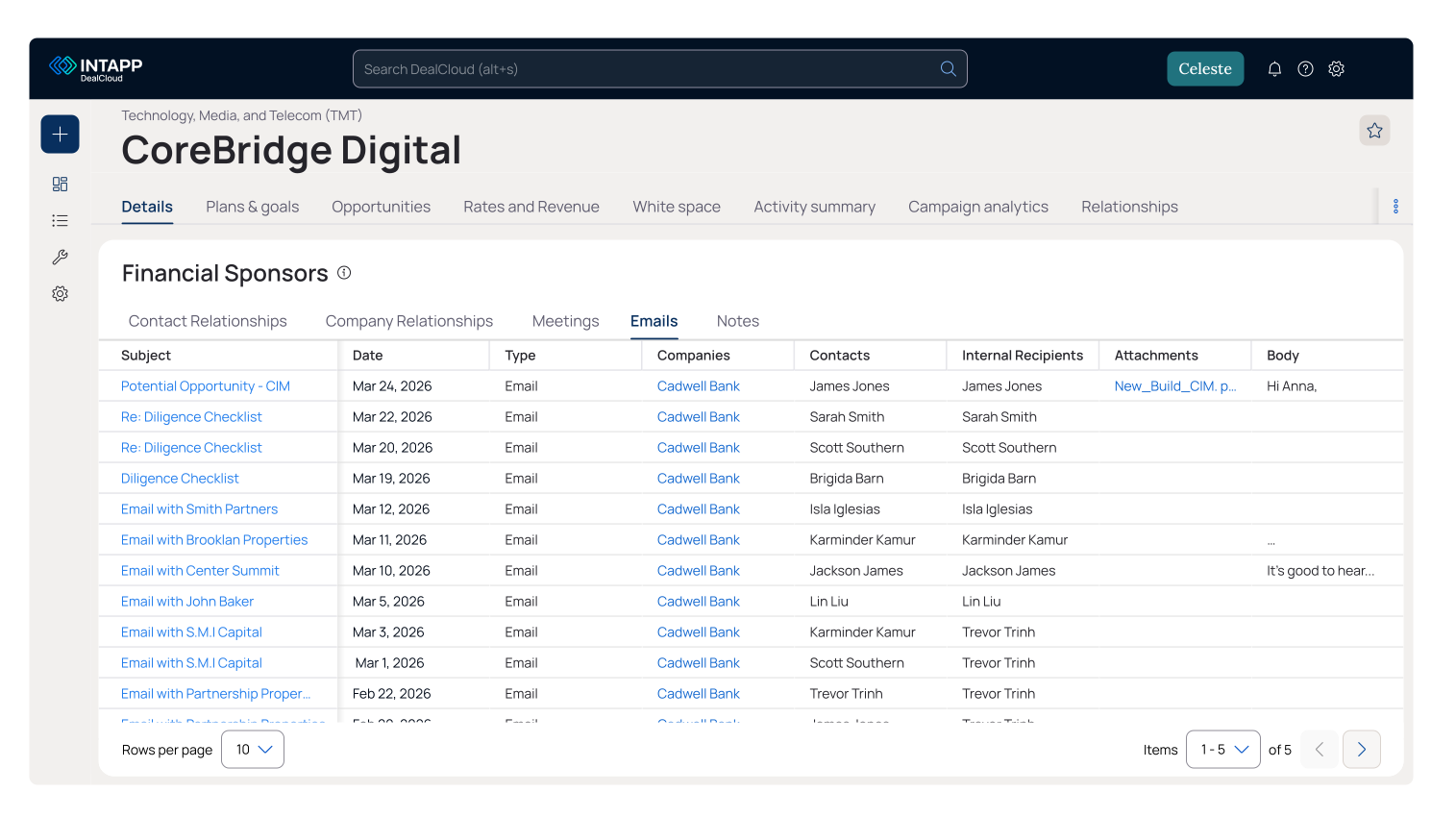
DealCloud continuously analyzes relationships, communications, deal flow, matters, and engagements.
It surfaces opportunity, flags risk, and recommends next steps — securely and in context.
Intapp DealCloud
Drive smarter origination, stronger execution, and faster growth firmwide with AI-driven intelligence.
Embedded in your workflows. Built for regulated markets.















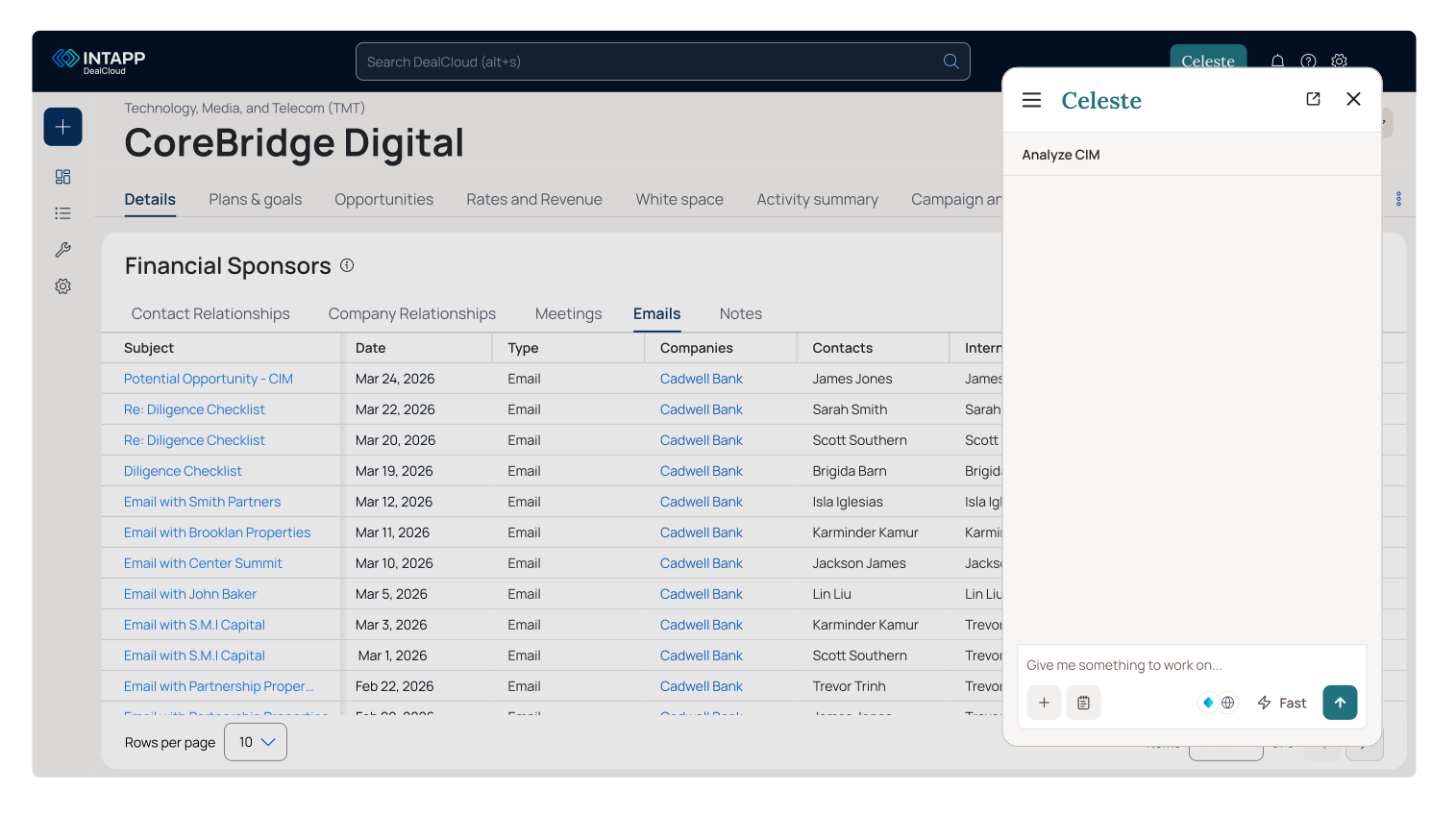
Conversational AI
Ask questions in plain English. Get immediate answers from your firm’s DealCloud data.
Agentic AI
Accelerate execution with pre-built playbooks. Use agentic workflows to automate core tasks.
DealCloud continuously analyzes relationships, communications, deal flow, matters, and engagements.
It surfaces opportunity, flags risk, and recommends next steps — securely and in context.
Relationship intelligence
AI uncovers warm paths, measures relationship strength, and guides outreach across deals, matters, and engagements.

DealCloud has been instrumental in helping us organize and synthesize information across a wide range of sources.
Max Harrington
Senior Advisor
PAI Partners
Zero-entry activity capture
Automatically capture emails and meetings to create a complete, shared engagement record.

Using DealCloud has given our firm an extra edge, and allows us to move quickly and be competitive.
Paola Yawney
Head of Business Development
Balfour Pacific
Workflow configurability
Standardize how your firm originates, conducts due diligence, and executes with embedded compliance.

DealCloud is a key tool in helping our people curate their contact book and bring more value to our firm.
Mike Beswick
BD and Marketing Director
Taylor Wessing
Data foundation
Preconfigured for private capital, investment banking, legal, and advisory — and flexible to fit your model.

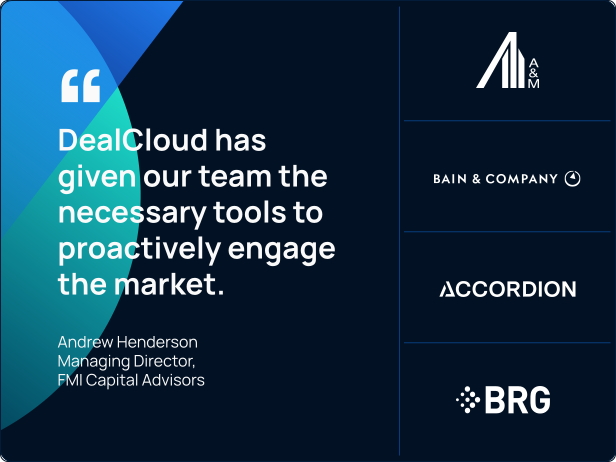
on transaction bidder list preparation at FMI Capital Advisors
Data enrichment
Keep records current with automated enrichment from trust providers.


Intapp combines AI innovation, industry-leading compliance, and enterprise-grade infrastructure in a single platform trusted by the world’s most demanding firms.
Market-leading ethical walls, confidentiality, and security for highly regulated firms
Transparent AI governance with unified security controls
Complete suite spanning the client and deal lifecycle: one vendor, seamless workflows
Battle-tested by the world’s largest firms with ongoing platform investment
Azure-backed reliability with multi-region redundancy and tested disaster recovery
Pre-built integrations and partner ecosystem reduce IT burden and TCO
Fill out the form and someone will be in touch to schedule a demo.


