
Discover the future of Firm AI for the business of law
See how Intapp Celeste brings Firm AI to life as the operating layer for professional firms.
· 13 min read

President, Industries
At least 50% of mergers and acquisitions (M&A) deals fail — and one of the main reasons is that dealmakers aren’t properly equipped to support each unique stage of an M&A transaction.
The good news? You can beat those dismal odds by understanding the deal stages of a typical M&A transaction and investing in the tools your deal team needs to execute each stage. Read this high-level flyover of M&A transaction deal stages to learn how new and seasoned dealmakers alike can best navigate the transaction process.
Deal origination refers to the ongoing sourcing of new M&A targets. The more quality deals your business development team sources, the less time you waste wading into resource-intensive deals that never bear fruit. To be more efficient, acquisitive, and profitable, focus on the most viable deals from this origination phase.
Start originating more viable deals by analyzing them against your investment thesis. This initial screening tempers what McKinsey analysts call “deal fever,” or the debilitating tendency to overlook negatives in favor of “hot” opportunities outside your team’s desired sphere of influence.
To screen potential purchases, have team members collect thesis-aligned opportunities — and preliminary cases in favor of them — and present them in strategic planning meetings. Focus on the target’s key assets rather than definitive numbers or financials, and mull the brand’s reputation, talent, technology, competitive advantages, and/or demand-fitting products. Your senior management and board can then approve and rank the candidates in order of potential perceived value and urgency.
Although finding deals is surprisingly easy, keeping them organized as they progress can be difficult, especially if you don’t have a firmwide information system. A purpose-built M&A deal management system, like DealCloud, can help your firm compile, organize, and generate insights for all new, ongoing, and old targets. DealCloud also integrates seamlessly with SourceScrub, the industry’s most reliable channel for relevant, real-time private company marketplace data, so you can stay up to date.
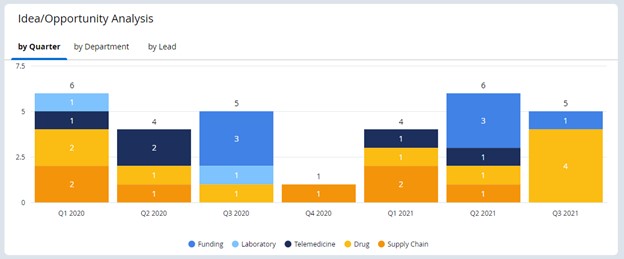
With DealCloud, M&A professionals can sort opportunity values by custom identifiers such as quarter and industry.
After screening a target, you and your team will need to initially value the company and generate figures concerning:
To value a private company that doesn’t have publicly traded ventures or disclosures of targets further down the pipeline, estimate the business’s EBITDA (earnings before interest, taxes, depreciation, and amortization) multiples.
Relationship building is an ongoing effort that all firms must prioritize. Relationships keep your deal pipeline full by introducing new contacts, moving warm targets through current deal stages, and inviting old contacts to collaborate again. In a typical M&A transaction, dealmakers nurture existing relationships and spark new ones by reaching out to the acquisition target’s founder or representative.
Your corporate development professionals should approach the seller of a private company thoughtfully. The more prepared and professional your overtures, the more you’ll honor both the selling agents and internal stakeholders. People like line managers, your field team, investor and public relations teams, treasury professionals, legal teams, and corporate senior management will appreciate the upfront legwork.
Before reaching out, review publicly available information about the target and its leaders’ past moves. Draft up a communication angle that shows your sincerity, professionalism, and strategic rationale. Include what your analysts estimate the target’s sales and operating assets may be.
Investing in technology like DealCloud can streamline this work and provide unparalleled M&A relationship management capabilities. For example, DealCloud uses an algorithm to calculate broker relationship scores, factoring in the recency, volume, and types of engagements you and the broker have been involved with. Once you view that score and determine the strength of your relationship, you’ll have a better idea of when and how to contact that broker.
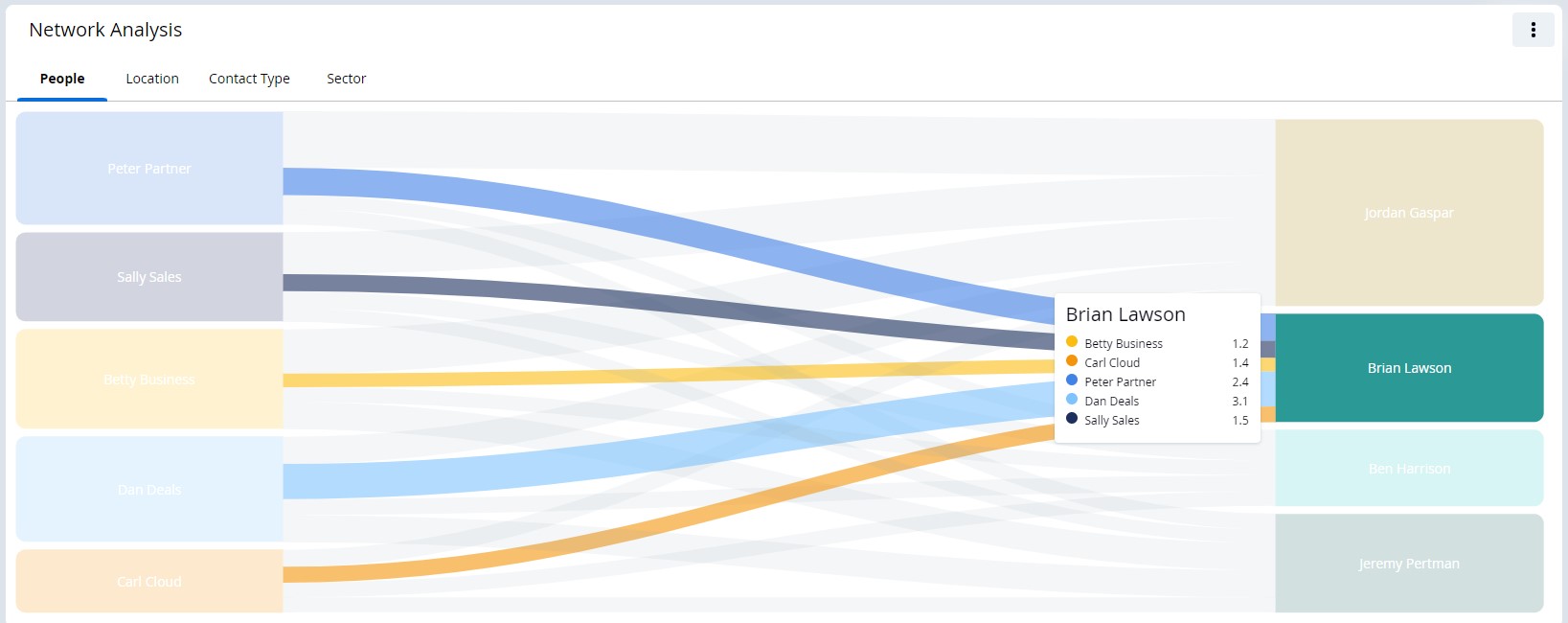
DealCloud’s Relationship Intelligence solution allows users to see network connections and relationship scoring at a glance.
As you build relationships with acquisition targets, expect to receive both teasers and drafts of the sellers’ nondisclosure agreements (NDAs). Teasers are typically distilled information memos — one-pagers put together by agents to whet the appetite of buyers without sharing a target’s identity. NDAs are contracts that define confidential information, coverage of the buyer’s advisors, and/or non-solicitation provisions.
Although the purpose of these forms is to ensure the privacy of sensitive information, they can also help your firm assess whether a target is a strategic fit for your investment goals. Scrutinize the terms of these agreements and ensure you’re comfortable agreeing to the parameters they detail.
SmartRoom, an M&A-specific tool that serves as a secure virtual data room, can help firms with this deal stage. With SmartRoom, highly sensitive documents of M&A transactions can be exchanged, stored, and accessed with customized permissions.
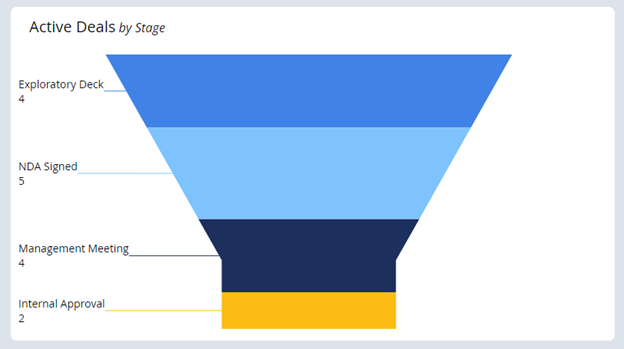
Organize your pipeline by stage and manage deals more effectively pre- and post-NDA.
Due diligence is unquestionably the most resource-intensive M&A deal phase. As your acquisition team gathers and generates information, you’ll need to refine and validate the valuation hypotheses you created when first originating viable deals.
Most dealmakers consider due diligence the most important M&A deal stage because the information gathered allows them to transact with confidence. Without this transparency, firms are forced to make ill-informed decisions that lead to inflated valuations and less-than-stellar strategic returns.
Some deals fail because deal teams jump into inquiries, investigations, and disclosures without a plan. Avoid this trap by strategizing due diligence up front and assessing your current talent allocation.
DealCloud’s customizable and flexible deal stage view shows decision-makers what phase each dealmaker is working on so they can assign those with more bandwidth to a new deal’s due diligence work. Assign a leader to assemble a due diligence team and have that leader plan upcoming team briefings with the lead transaction lawyer.
Additionally, your firm can utilize a firmwide calendar so that decision-makers aren’t the only ones aware of due diligence meetings and where teams are concentrating their efforts.
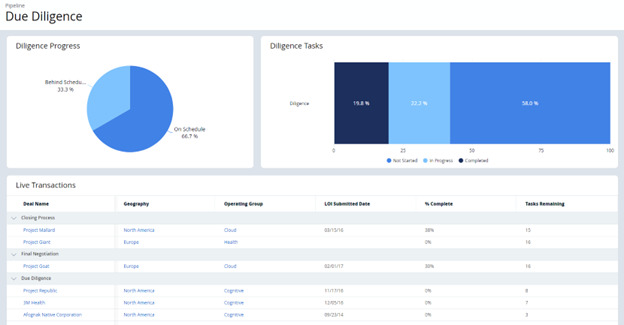
With DealCloud, firms can build dedicated dashboards for due diligence where they can easily view the status of every deal in their pipelines.
The first formal phase of due diligence goes beyond public records and consultant research. Sellers’ accountants and lawyers must provide customized due diligence checklists to inform firms of the target’s current business structure and operational outlook.
Combine the checklists provided by the seller’s agent with your own to investigate:
Another area to explore during due diligence is the target’s finances and insurance coverage. The more you know about these matters, the firmer and more refined you can make your valuation. You’ll need to gather:
Third-party tax, accounting, and even legal consultants are often able to obtain these records without leaking news or creating rumors about the deal.
Learn everything you can about your target’s legal and employee matters to further understand the target’s value and strategic fit. Access information such as:
The business’s position in the marketplace can tell your team a great deal about its value. Your team should investigate:
For this M&A due diligence deal stage, consider using a tool like Preqin, which offers unparalleled private company intelligence.
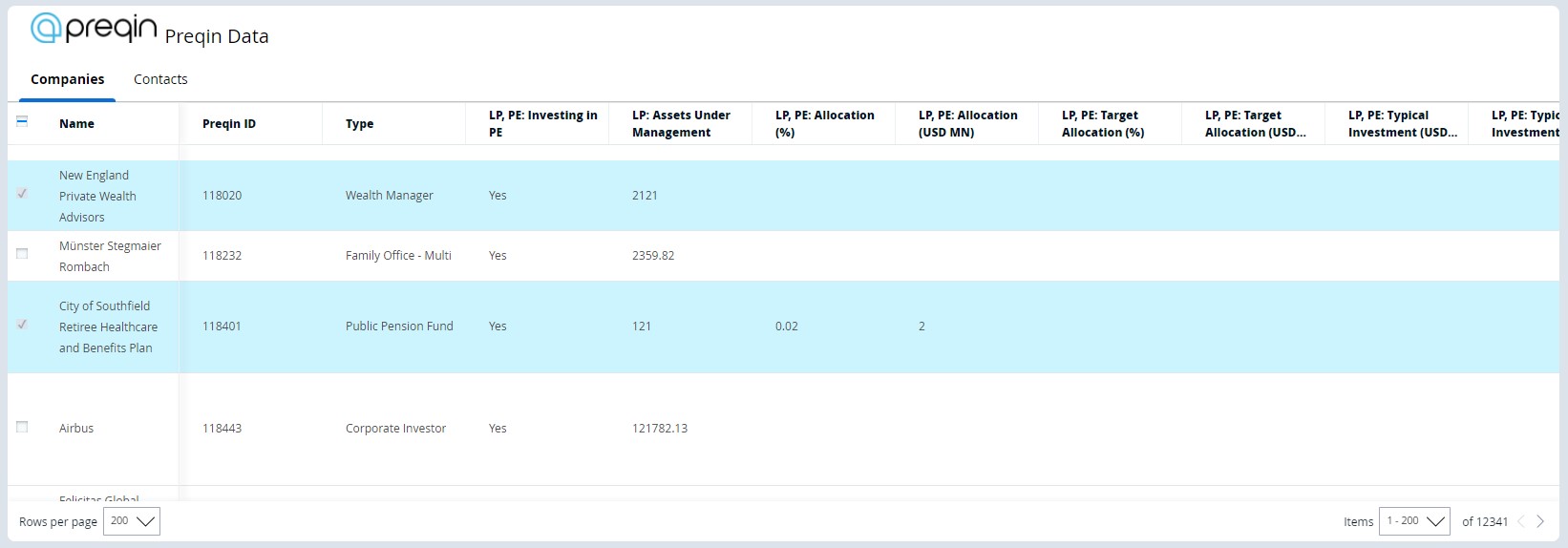
DealCloud offers integrations for third-party data providers such as Preqin so that users can access market data directly within their pipeline management systems.
As an M&A dealmaker, you don’t want to learn about all the liabilities you’ve acquired after the transaction is complete. Instead, take the following steps early on in your strategy:
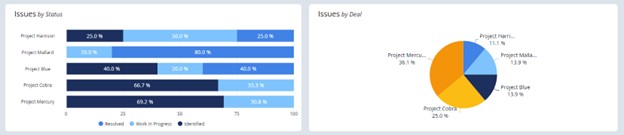
With a dedicated risk analytics dashboard, firms can transparently assess potential concerns for compliance issues.
Many M&A transactions have made it to the closing stage only to falter or fail. If an acquisition breaks down at this point, the time and resources spent to get this far are lost. Now is not the time to relax; instead, deal teams must pay close attention to every detail to get a transaction across the finish line.
In the closing stage of an M&A deal, the firm’s counsel typically organizes the process. Usually, the counsel finalizes the purchase agreement and double-checks that the deal has all the necessary approvals. The legal team handles the paperwork, including drafting closing documents, compiling and flagging signature pages, and delivering the packets to the proper parties.
As you learn everything you can about the target’s finances, you must also pay attention to your own firm’s finances. When two businesses merge, the buyer must navigate the accounting process carefully; otherwise, fees, fines, and losses could threaten the deal’s benefits.
Start by negotiating and deciding how much networking capital must be available at closing. Give yourself a cushion of extra working cash to integrate accounting methods.
Next, compare your accounting principles with those of the acquisition target. For example, if your firm uses IFRS as applied by IASB, and if your new acquisition uses the U.S. generally accepted accounting principles (GAAP), you’ll want to hire extra accounting help to merge the two departments’ practices as soon as possible.
Together with the seller, calculate triggering financial indicators like future EBITDA to estimate and schedule upcoming payments from earnout clauses. This way, neither party is surprised when those events take place.
Failing to integrate means the deal is a failure, even after all the closing documents have been signed. Thankfully, many professionals have documented how to successfully integrate. Learn why integrations fail and study past failures. Combine that with your team’s observations and creativity, and you’ll have a value-creating engine.
You can then choose to either become an expert in M&A integration or outsource the integration work to another firm. We recommend a mix of the two: Rely on experts for the first few deals, but take copious notes along the way so that you can become a self-sufficient M&A integration leader in your niche.
No stage of an M&A transaction is easy. Each phase requires intelligence, thoroughness, and perseverance. And even with those strengths, any number of mid-stage surprises can derail a deal.
Once you understand how an acquisition typically progresses, you can simplify and streamline your collective work. This way, when an unexpected wrench is thrown in the gears, your dealmaking engine can continue humming along.
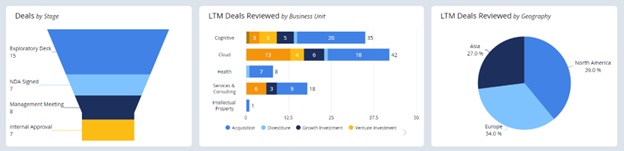
A well-organized firmwide dashboard empowers M&A professionals to remain synced on deal flow at all times.
By leveraging deal management and relationship intelligence systems, you can easily streamline your work at every stage of a deal. For more on how technology can empower every step of your M&A deals, contact DealCloud to speak with an expert today.
From the blog

Director, AI and Data
Without a firm-specific ontology, AI guesses at your data — and gets it wrong. Learn how private capital firms and investment banks reduce hallucinations and cut token costs with Intapp DealCloud.
Alt360, a private markets technology and services firm focused on AI-enabled modernization for alternative investment operations, today announced a new partnership with Intapp, the governed AI platform for professional firms in highly regulated industries. The partnership will help accelerate adoption of Intapp DealCloud across the private capital and broader financial services middle market.
Discover how agentic Firm AI for private capital markets helps firms unlock value at every stage of the investment lifecycle.